On January 28, 2026, while the city of Dallas faced an unprecedented Arctic blast, a mother named Ashtin Torrez gave birth to a daughter, naming her Alaska. This heartwarming story unfolds against a backdrop of layers of grief, hope, and a once-in-a-lifetime winter storm, making Alaska’s birth not just an event, but a profound testament to the resilience of the human spirit.
A City on Ice
Dallas was gripped by dangerously low temperatures, lingering in the teens, alongside widespread power outages and school closures due to the icy conditions. But amidst the chaotic ambiance, Torrez experienced a moment that would forever alter her life—a moment that echoed with signs of hope and renewal.
“It felt like God is always sending signs,” Torrez, 32, shared in an interview. Reflecting on the past year, she described the birth of her daughter as not merely coincidental but rather a poignant intersection of life's challenges and blessings.
A Heartbreaking Loss
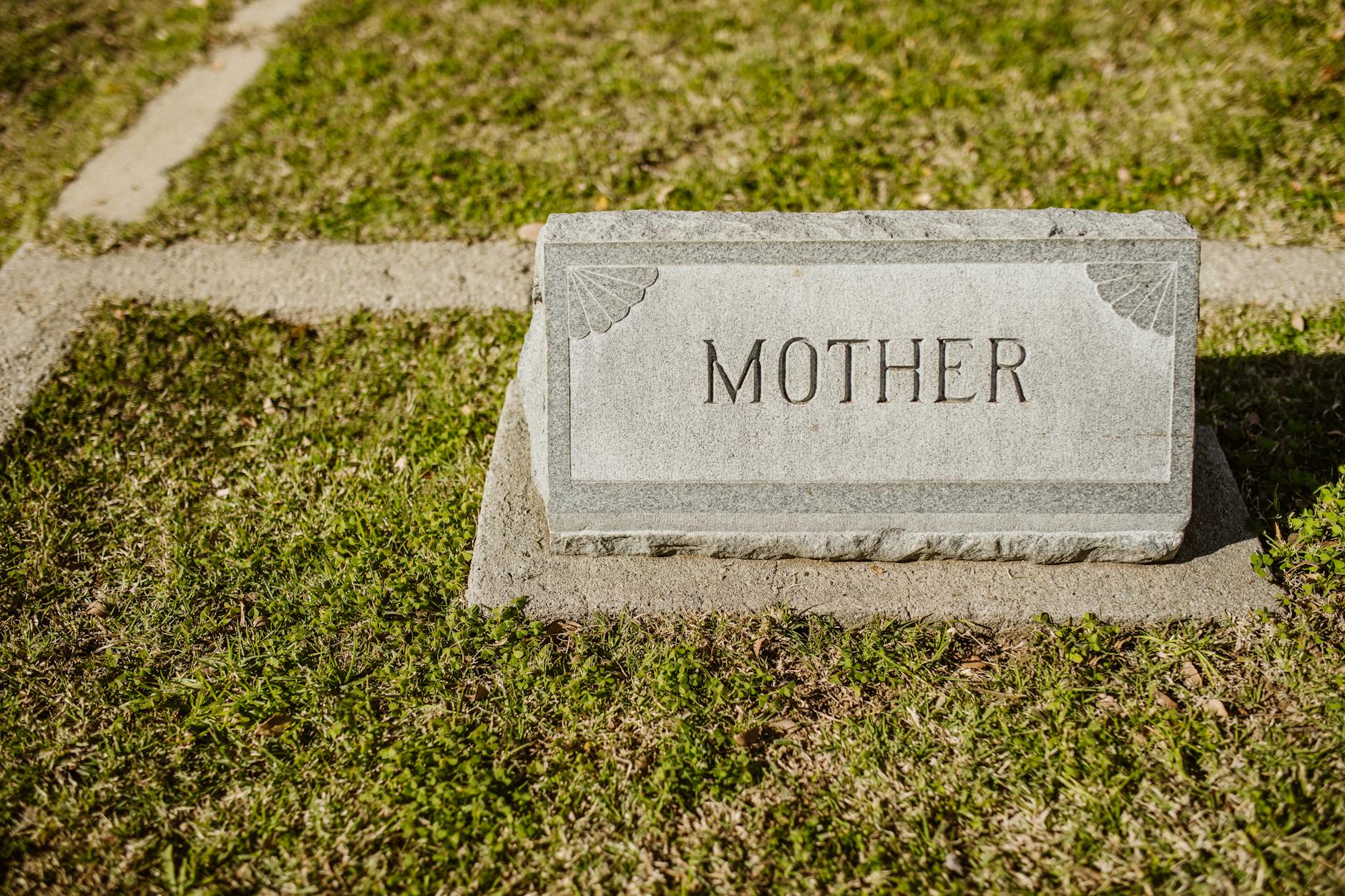
Only a year prior, Torrez and her partner, Cameron Hale, were mourning the loss of their son, Elias, who was stillborn at 35 weeks due to severe fetal growth restriction. "Filling out a death certificate instead of a birth certificate is a traumatizing experience,” Torrez admitted. The months that followed were clouded with grief as she navigated the tumultuous waters of loss, worry, and the cautious hope of bringing life into the world again.
Despite the overwhelming sadness, when she became pregnant with Alaska, Torrez experienced a spectrum of conflicting emotions. Unlike during her previous pregnancy, this time she organized a baby shower, purchased a car seat, and fully prepared a nursery—a feat she had withheld from herself last time due to the advised pessimism from her doctors.
The Birth of Alaska
On the day Alaska was born, the city lay frozen under layers of ice. Torrez couldn’t shake the feeling that her daughter’s birth within this historic freeze felt like a sign—a reassurance that her son, Elias, was still watching over her. “It felt like reassurance,” she reflected. “I believe my son sent me my daughter. He knew how distraught I was… that everything was how it was supposed to be.”
The name 'Alaska' had been chosen long before the storm, representing a promise of life, love, and the resolve to keep moving forward. With her daughter arriving amidst this icy backdrop, Torrez affectionately referred to it as 'DallAska,' underlining the poetic and serendipitous nature of the circumstances surrounding Alaska's arrival.
Love, Guilt, and Finding Peace
Despite the joy of Alaska’s birth, Torrez confided in her struggle with guilt for finding joy again after the loss of her son. “Joy and sorrow exist side by side,” she expressed. Navigating these feelings isn't unique to Torrez; many parents who experience loss face similar battles. For Torrez, deepening her connection to Alaska allowed her to also remember Elias fondly.
Alaska's name took on even greater significance as she entered the world amid the storm, which Torrez interpreted as a divine sign of hope and divine connection. “It was like [Elias] was telling me he was at peace,” she said.
Conclusion
Ashtin Torrez’s story embodies the complexities of love and loss, illustrating that through heart-wrenching grief can also come profound joy and healing. Alaska represents not only a new chapter but a reminder of the strength that can arise from life's most challenging moments.
In a world where many grapple with their own trials, Torrez’s journey shines as a beacon of hope. By embracing her emotions and sharing her story, she reminds us of the resilience of the human spirit and the enduring power of love—transcending even the harshness of winter storms.